




Housing defects

Defects are aspects of a building that are not performing adequately for their intended use.
Defects may occur because of:
- Design deficiencies.
- Product or material deficiencies.
- Poor specification.
- Workmanship deficiencies.
- Maintenance deficiencies.
- Changes of use.
- Environmental influences.
Some defects are apparent (patent defects) and some are hidden (latent defects).
A National New Home Customer Satisfaction Survey undertaken by the Home Builders Federation (HBF) and the National House Building Council (NHBC) in 2015, found that 93% of buyers reported problems to their builders, and of these, 35% reported 11 or more problems.
Defects in new buildings may be attributable to designers, suppliers or contractors, and may result in a claim. In addition, during the first 12 months or so after completion (depending on the terms of the construction contract), the contractor may be required to remedy defects during a time commonly referred to as the 'defects liability period', and beyond that there may be some form of ongoing warranty.
In addition, irrespective of contractual obligations, the Defective Premises Act 1972 provides that a person taking on work for, or in connection with, the provision of a dwelling owes a duty to the person acquiring the dwelling and subsequent purchasers to see that the work which they take on is done in a workmanlike or professional manner, with proper materials so that it will be fit for habitation when completed.
However, defects in older buildings may not be clearly attributable to a particular party, but may result from a change in circumstances or use, an environmental impact, poor maintenance and so on, or from a combination of factors.
The housing stock in England is relatively old, with approximately 44% built before 1980, and 20% built before 1919. As a result it is prone to poor performance and a number of common defects.
The list below provides links to articles on Designing Buildings Wiki that provide information about common defects in housing:
- Carbon monoxide emissions.
- Cold bridge.
- Contaminated land.
- Cracking and building movement. (see also: Ground heave / Settlement / Subsidence).
- Damp (see also: Penetrating damp / Rising damp)
- Condensation (see also Interstitial condensation)
- Defects in brickwork (see also: Efflorescence / Spalling).
- Defects in dot and dab.
- Defects in stonework.
- Dry rot.
- Flooring defects.
- Hazardous substances (See also: Asbestos).
- Indoor air quality.
- Mould growth.
- Roofing defects (See also: Flat roof defects).
- Sick building syndrome.
- Wall tie failure.
- Wet rot.
- Woodworm.
Other common problems may include:
- Defective chimneys.
- Defective rainwater fittings, plumbing or drainage.
- Defective windows.
- Defective wiring.
- Defective plumbing.
- Draughts.
- Inadequate ventilation of the sub-floor or roof space.
- Excessive energy consumption.
- Poorly installed insulation.
- Poorly installed or absent damp proof course.
- Decayed or damaged windows and doors.
- Sound transmission.
- Encroachment by trees.
- Chimneys that have been blocked up, but not filled.
- Infestations.
[edit] Find out more
[edit] Related articles on Designing Buildings Wiki
- Building pathology.
- Bungalow.
- Certificate of making good defects.
- Defective Premises - Liability and Measure of Damages.
- Defective Premises Act.
- Defects liability period.
- Defects.
- Dwelling.
- English housing stock age.
- Flat definition.
- Household.
- Housing Defects Act 1984.
- NHBC.
- Remedial work.
- Residential definition.
- Schedule of condition.
- Schedule of defects.
- Scott schedule.
- Types of dwelling.
- Types of household.
- Use class.
- Wellbeing.
[edit] External references
IHBC NewsBlog
Busaries open for IHBC's Annual School 10-12 June 2027

Apply for funded places for #IHBCBristolBath2027 until 1 February 2027
London's oldest restaurant given to National Trust

Rules will continue to open and income will fund conservation
No right to cross-pavment charging in England's conservation areas

Residents excluded from new permitted development rights
Save the Date for #IHBCBristolBath2027 on 'Climate Change & Significance'

Register now for updates on IHBC's Annual School 10-12 June 2027
Bath could pause UNESCO World Heritage Site status
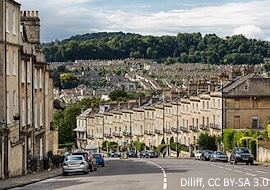
Consultation on scheme to hit housing targets runs until 30 October 2026
Canals offer increasing innovation opportunities
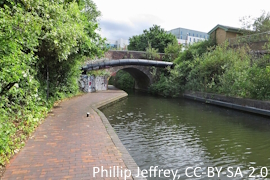
Canal & River Trust sees canals playing role in UK's water security
IHBC sponsors Gardens Trust event 23-4 Sept 2026
.jpeg)
'Learning from the Past, Shaping the Future’ takes place in Milton Keynes
Renovations to Frank Lloyd Wright's Fallingwater complete
.jpg)
World Heritage Preserved project opens house for tours again
Shakespeare Birthplace Trust places Hall's Croft on HAR Register
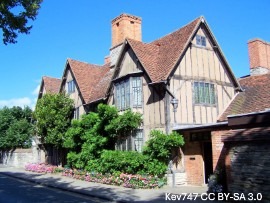
Stratford-upon-Avon home of Shakespeare's daughter is 'At Risk'
Lady Grange’s House repaired on St Kilda
.jpg)
National Trust for Scotland repairs stone cleit with link to famous island resident
Griff Rhys Jones on BBC Radio 4 Today programme
,_Green_Lane,_Derby.jpg)
The Victorian Society’s President unveiled its latest Top Ten Endangered Buildings 2026.
Need a MATE? Book your place now.

IHBC offers free webinars on applying for IHBC accreditation (Full & Associate).
UK Stained Glass Repository finds windows new homes
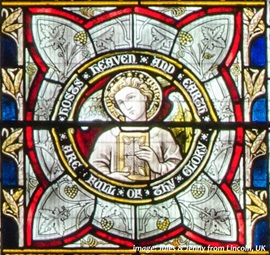
How are stained glass windows are rescued, stored and repurposed?
APPGEBE report sets high aims for quality
'Government must not sacrifice quality in drive to build 1.5m homes'
New measures protect Historic Shipwrecks from heritage crime

Underwater cultural heritage benefits from new HE guidance
How could the City of London skyline look in 6 years' time?

Visualisation shows approved planning applications as completed buildings
National Trust for Scotland calls for VAT cuts
Heritage neglect is encouraged by current policies
IHBC's 'Context' Issue 186 features Industrial Heritage
IHBC's members' journal reports on the challenges of conserving infrastructure
Book now for IHBC Annual School 2026
IHBC Annual School is taking place 18-20 June 2026 in Newcastle
RICHeS Research Infrastructure offers ‘Full Access Fund Call’
RICHeS offers a ‘Help’ webinar on 11 March
Latest IHBC Issue of Context features Roofing
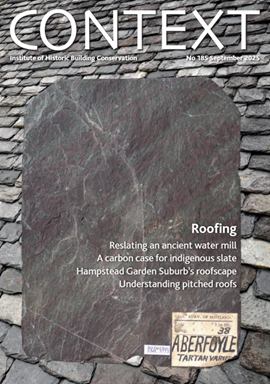
Articles range from slate to pitched roofs, and carbon impact to solar generation to roofscapes
Three reasons not to demolish Edinburgh’s Argyle House

Should 'Edinburgh's ugliest building' be saved?
IHBC’s 2025 Parliamentary Briefing...from Crafts in Crisis to Rubbish Retrofit
IHBC launches research-led ‘5 Commitments to Help Heritage Skills in Conservation’
How RDSAP 10.2 impacts EPC assessments in traditional buildings

Energy performance certificates (EPCs) tell us how energy efficient our buildings are, but the way these certificates are generated has changed.